Red Sand Dunes Mui Ne Vietnam: Sunset, Photography & Travel Experience
Among countless beaches, resorts, cafés, and coastal attractions in Mui Ne, there is one place that almost every traveler has heard of at least once: the Red Sand Dunes Mui Ne.
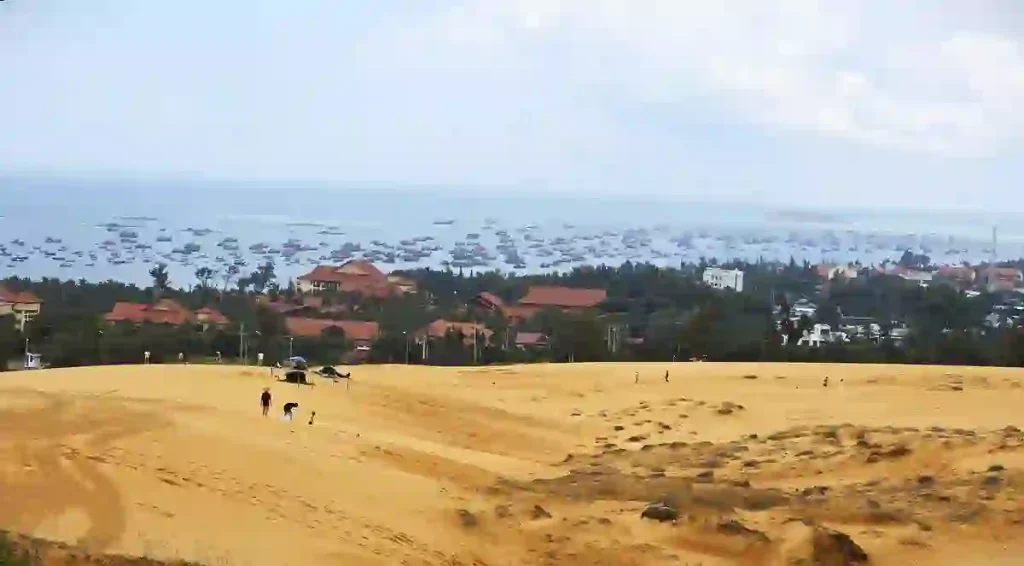
At first glance, this destination may look simple: just a stretch of reddish-orange sand beside the coastal road.
But in reality, the Red Sand Dunes are much more than a quick photo stop.
For many travelers, this is:
- the first landscape they remember about Mui Ne,
- one of the easiest places to experience the desert-like atmosphere of southern Vietnam,
- and a destination that reflects the unique geography and identity of Phan Thiet better than many luxury resorts.
Still, an important question remains:
Is the Red Sand Dunes Mui Ne actually worth visiting, or is it simply a famous tourist stop because of social media?
From the practical and experience-based perspective of PhanThietchill, this article explores:
- what makes the Red Sand Dunes special,
- the real experience you should expect,
- the best times to visit,
- photography tips,
- advantages and limitations,
- nearby attractions,
- and whether this place truly fits your travel style.
This is not a “perfect postcard” review.
Instead, it is a realistic travel guide designed to help you experience Mui Ne more meaningfully.
Overview of the Red Sand Dunes Mui Ne
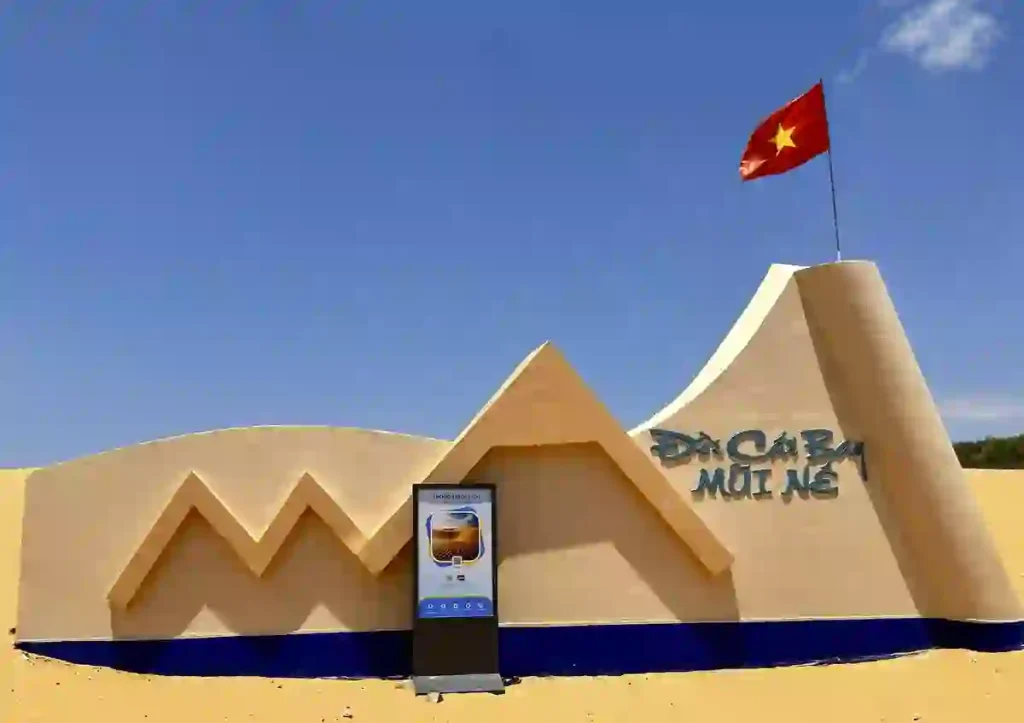
The Red Sand Dunes, locally known as “Đồi Cát Đỏ,” are located along Huynh Thuc Khang Street in Mui Ne, Phan Thiet, Vietnam.
Unlike the White Sand Dunes farther away from the city center, the Red Sand Dunes are:
- smaller,
- easier to access,
- closer to local attractions,
- and much more convenient for short visits.
Quick Information
- Location: Mui Ne Ward, Lam Dong Province (formerly Binh Thuan Province), Vietnam
- Distance from central Phan Thiet: approximately 20–25 km
- Best visiting time: sunrise or sunset
- Entry fee: usually free
- Recommended visit duration: 30 minutes to 1.5 hours
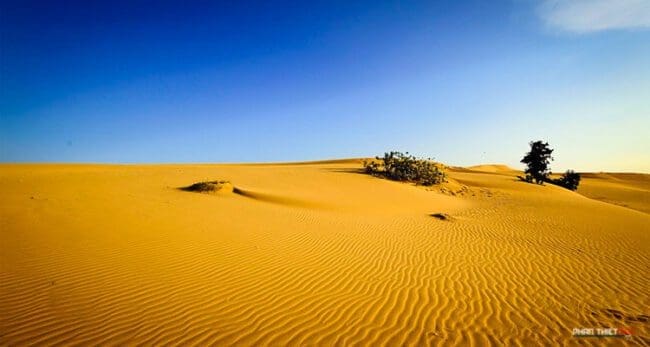
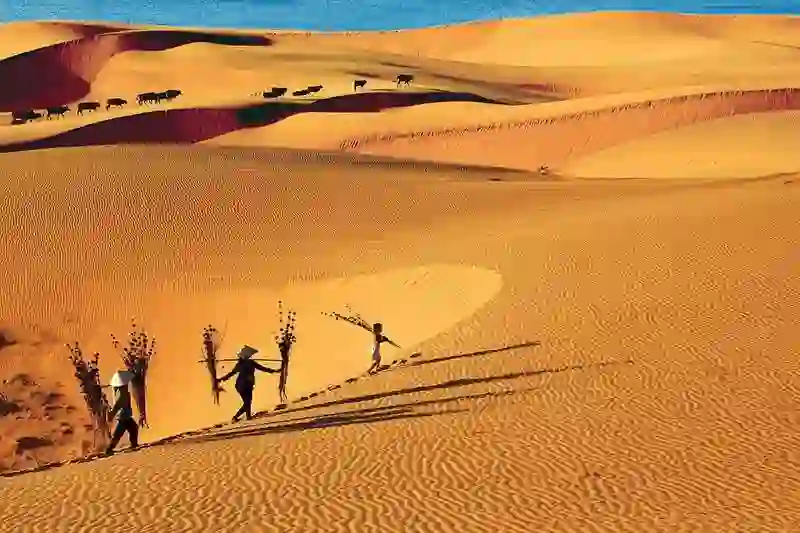
The most recognizable feature of the dunes is their warm reddish-orange color, which changes depending on:
- sunlight,
- weather,
- wind,
- and time of day.
On some afternoons, the sand appears deep orange.
At sunset, it can become almost golden red.
This changing landscape is one of the reasons why the Red Sand Dunes remain one of the most photographed places in Mui Ne.
Why Are the Red Sand Dunes So Famous?
A Landscape That Feels Unlike Vietnam
One of the biggest reasons travelers become curious about the Red Sand Dunes is the unusual scenery.
Most people associate Vietnam with:
- green rice fields,
- tropical forests,
- rivers,
- or beaches.
But Mui Ne offers something completely different:
a dry coastal desert-like environment shaped by wind and sand over many years.
The result is a landscape that feels:
- open,
- dramatic,
- minimalistic,
- and visually unique.
This contrast creates a memorable experience, especially for international visitors who do not expect to find sand dunes in Southeast Asia.
The Sand Changes Shape Every Day
An interesting feature of the Red Sand Dunes is that the landscape never stays exactly the same.
Strong coastal winds continuously reshape the dunes:
- creating new curves,
- smoothing old footprints,
- and forming natural textures across the sand.
This means:
- every sunrise looks slightly different,
- every sunset creates new shadows,
- and photographers can often capture fresh compositions.
Unlike artificial tourist attractions, the beauty here feels natural and constantly evolving.
The Real Experience at the Red Sand Dunes
First Impression
Many travelers arrive expecting a giant desert similar to those seen in travel advertisements.
The reality is more modest.
The Red Sand Dunes are not enormous.
They are relatively compact compared to:
- the White Sand Dunes,
- deserts in the Middle East,
- or large sand landscapes in Africa.
However, this smaller scale is also part of their charm.
The dunes are:
- easy to explore,
- accessible for families,
- and suitable for casual travelers who do not want a physically demanding experience.
The Atmosphere Matters More Than the Size
The real value of the Red Sand Dunes is not about “how huge” they are.
Instead, it is about:
- the atmosphere,
- the light,
- the sea breeze,
- and the feeling of standing between the ocean and the desert at the same time.
That combination is surprisingly rare.
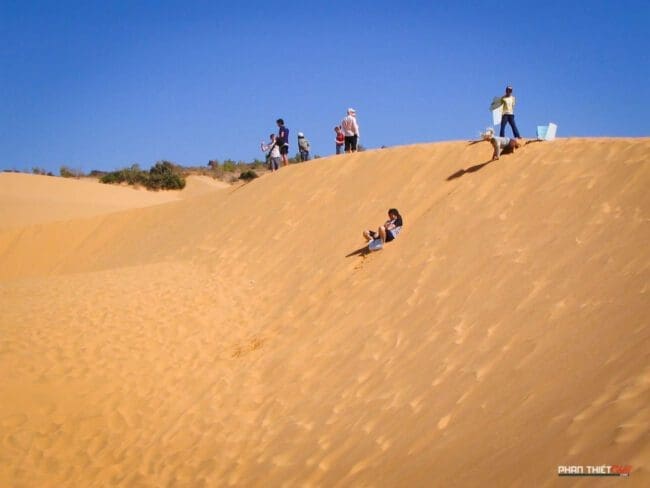
At certain moments, especially near sunset, the dunes create a peaceful atmosphere that feels very different from the busy resort areas nearby.
Tuy nhiên, vào giờ nắng gắt, trải nghiệm đi bộ trên cát sẽ khá nóng.


Best Time to Visit the Red Sand Dunes Mui Ne
Sunrise
Sunrise is ideal if you prefer:
- cooler temperatures,
- softer lighting,
- fewer tourists,
- and calmer conditions.
The sand looks smoother in the morning because there are usually fewer footprints.
Photographers often prefer this time because:
- shadows are softer,
- colors appear cleaner,
- and the sky transitions beautifully from blue to orange.
Sunset
Sunset is the most popular time to visit.
The warm sunlight enhances the red-orange tones of the dunes and creates dramatic scenery.
This is also when many visitors come for:
- photography,
- sand sliding,
- casual walks,
- and relaxation.
However, sunset also means:
- more tourists,
- more vendors,
- and stronger winds at times.
Midday Is Not Recommended
Visiting around noon can be uncomfortable because:
- the sand becomes extremely hot,
- sunlight is harsh,
- there is little natural shade,
- and the overall experience feels less enjoyable.
If possible, avoid visiting between 11 AM and 3 PM.
Activities at the Red Sand Dunes
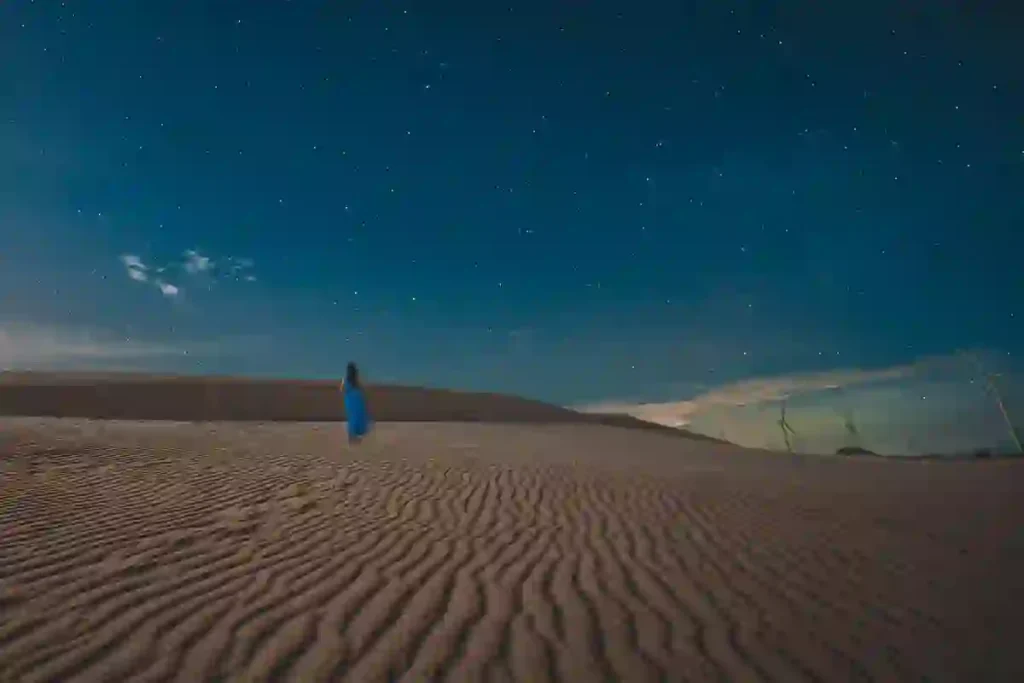
Sand Sliding
One of the oldest activities here is sand sliding using plastic boards rented by local children.
It is simple but still surprisingly fun.
This activity is especially popular among:
- children,
- groups of friends,
- and first-time visitors.
Things to know:
- the experience is short,
- the sand can get inside shoes and clothes,
- and sliding conditions depend heavily on weather and wind.
Still, it remains part of the authentic Mui Ne experience.
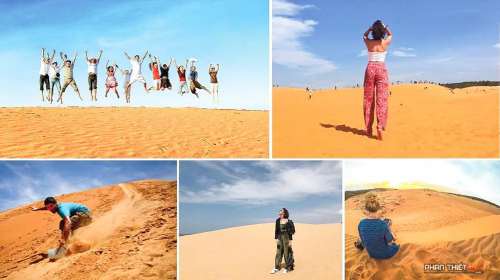
Photography
Photography is probably the main reason most travelers stop here today.
The dunes are especially photogenic because of:
- natural curves,
- minimal backgrounds,
- changing textures,
- and strong sunlight contrast.
Popular photography styles include:
- flowing dresses,
- minimalist portraits,
- travel editorial shoots,
- and sunset silhouettes.
The location works particularly well for:
- warm color palettes,
- cinematic shots,
- and drone photography.
Walking and Enjoying the View
Sometimes the best experience is simply walking slowly across the dunes.
The combination of:
- ocean wind,
- soft sand,
- quiet surroundings,
- and open sky
creates a relaxing feeling that many travelers do not expect.
This is especially true in the late afternoon when the temperature becomes more comfortable.
Is the Red Sand Dunes Worth Visiting?
Yes — If You Understand What It Is
The Red Sand Dunes are worth visiting if you:
- enjoy landscapes,
- appreciate natural scenery,
- like photography,
- or want to experience a unique side of Mui Ne.
However, expectations matter.
This is not:
- a luxury attraction,
- a massive adventure destination,
- or a full-day activity center.
Instead, it is:
- a short but memorable stop,
- a scenic experience,
- and a place best enjoyed slowly.
It May Not Be Ideal For Everyone
Some travelers may feel disappointed if they expect:
- huge dunes,
- premium tourist facilities,
- organized entertainment,
- or a highly developed infrastructure.
The area remains relatively simple and natural.
That simplicity is either:
- part of the charm,
- or a limitation,
depending on your travel style.
Advantages of Visiting the Red Sand Dunes
Easy Access
Unlike the White Sand Dunes, the Red Sand Dunes are:
- close to Mui Ne center,
- easy to reach by scooter or taxi,
- and suitable for short itineraries.
This convenience makes them ideal for:
- half-day exploration,
- sunrise trips,
- or quick stops during coastal drives.
Beautiful Light for Photography
The dunes consistently provide:
- strong visual contrast,
- warm natural colors,
- and dramatic lighting conditions.
This makes the location highly attractive for:
- travel photographers,
- content creators,
- and casual visitors looking for memorable photos.
A Unique Natural Landscape
Very few places in Vietnam offer this combination of:
- sea,
- sand,
- wind,
- and desert-like scenery.
That uniqueness alone makes the dunes culturally and geographically interesting.
Limitations You Should Know
Tourist Vendors Can Be Persistent
At busy hours, some visitors may experience:
- repeated offers for sand boards,
- photo assistance requests,
- or souvenir selling.
Most interactions are harmless, but they can occasionally interrupt the peaceful atmosphere.
Weather Strongly Affects the Experience
Wind conditions can change quickly.
On certain days:
- sand may blow heavily,
- visibility may decrease,
- and photography becomes difficult.
Good weather makes a huge difference here.
Limited Facilities
The dunes themselves remain relatively undeveloped.
You should not expect:
- luxury rest areas,
- modern cafés directly on the dunes,
- or advanced tourist services.
It is better to view this destination as:
a natural stop rather than a full tourism complex.
Nearby Attractions You Can Combine
The Red Sand Dunes are easy to combine with other Mui Ne attractions.
Fairy Stream
Fairy Stream is a shallow stream with:
- red rock formations,
- soft sand,
- and unique natural scenery.
Suitable for:
- casual walking,
- photography,
- and short family visits.
Mui Ne Fishing Village
Mui Ne Fishing Village is a local fishing area where visitors can:
- observe fishing boats,
- experience local life,
- and enjoy fresh seafood.
Best visited early in the morning.
Hon Rom Beach
Hon Rom Beach is a coastal area known for:
- long beaches,
- seafood restaurants,
- and sunset views.
White Sand Dunes
White Sand Dune: Larger and more dramatic than the Red Sand Dunes.
Better for:
- ATV riding,
- jeep tours,
- and large-scale desert scenery.
Travel Tips from PhanThietchill
Wear Comfortable Footwear
Sand can become hot and difficult to walk on.
Light sandals or shoes are recommended.
Bring Water
Especially during sunny weather.
The heat and dry wind can become tiring quickly.
Protect Your Camera and Phone
Strong winds may blow sand into electronics.
Bring:
- lens protection,
- phone covers,
- or small bags for equipment.
Do Not Overplan
The Red Sand Dunes are best enjoyed casually.
You do not need:
- complicated itineraries,
- long schedules,
- or excessive expectations.
Sometimes spending one quiet hour here is enough to create a memorable experience.
Final Thoughts
The Red Sand Dunes Mui Ne are not the most luxurious destination in Vietnam.
They are not the largest dunes in the world.
And they are not designed to impress visitors with artificial entertainment.
But that is exactly why many travelers remember them.
The beauty of the Red Sand Dunes lies in:
- simplicity,
- natural light,
- changing landscapes,
- and the atmosphere of Mui Ne itself.
This is a place where:
- the wind reshapes the sand every day,
- sunsets feel warmer,
- and travel slows down for a moment.
For travelers who enjoy:
- landscapes,
- photography,
- local atmosphere,
- and quieter experiences,
The Red Sand Dunes remain one of the most worthwhile stops in Mui Ne.
And sometimes, the destinations that stay in memory the longest are not the loudest or most luxurious ones – but the places that simply feel real.
FAQ
Is Red Sand Dunes Mui Ne worth visiting?
Yes, the Red Sand Dunes are worth visiting if you enjoy natural landscapes, photography, sunsets, and unique coastal scenery. The experience is simple but memorable, especially during sunrise or sunset.
What is the best time to visit Red Sand Dunes Mui Ne?
The best time is early morning or late afternoon. Sunrise and sunset provide cooler temperatures, softer lighting, and better photography conditions.
How far are the Red Sand Dunes from Mui Ne center?
The dunes are located around 10–15 minutes from central Mui Ne and approximately 25 minutes from central Phan Thiet.
Is there an entrance fee for Red Sand Dunes Mui Ne?
The dunes are generally free to visit. However, some activities, like sand sliding may require a small rental fee.
Can you do sand sliding at the Red Sand Dunes?
Yes. Visitors can rent plastic sliding boards from local vendors and slide down the sandy slopes.
Are the Red Sand Dunes suitable for children?
Yes. The area is family-friendly and relatively easy to access, though parents should be careful during very hot weather.
What is the difference between the Red Sand Dunes and White Sand Dunes in Mui Ne?
The Red Sand Dunes are smaller, closer to Mui Ne center, and easier to access. The White Sand Dunes are much larger and better suited for ATV rides and large desert-style scenery.